How to Use Binance After CEO Zhao Changpeng's Potential Sale: A Complete Guide
Recent rumors have circulated that Binance founder and former CEO Changpeng Zhao (CZ) may be considering selling the Binance exchange. While these claims remain unconfirmed by official sources, many users are asking a critical question: If this sale happens, how will it affect the way I use Binance? More importantly, is Binance still safe and functional for trading? In this article, we will break down everything you need to know about using Binance under potential new ownership, and provide a step-by-step guide on how to manage your account amidst the uncertainty.
First, understanding the current situation is key. As of late 2023, Zhao stepped down as CEO following a settlement with U.S. regulators, but he still retains a significant ownership stake. The idea of a full sale would mean that Binance could transition to new management or a different corporate structure. For the average user, however, the core functionality of the exchange is unlikely to change overnight. You will still be able to deposit, trade, and withdraw funds as long as the platform remains operational. The primary difference you might notice is in the exchange’s policies, such as fee structures, compliance requirements, or supported regions.
So, how do you continue using Binance if a sale occurs? The steps remain largely the same. First, log into your Binance account and verify your identity if you haven’t already. KYC (Know Your Customer) verification is mandatory for most features, and this will not change under new ownership. Next, navigate to the "Wallet" section to review your balances. If you hold significant amounts of cryptocurrency, consider transferring a portion to a private hardware wallet for added security during the transition period. This is a standard precaution during any major corporate change.
For active traders, the trading interface will remain familiar. You can still use Spot Trading, Futures, and the P2P platform. However, pay close attention to any announcements regarding changes in withdrawal limits or supported fiat currencies. After a sale, new owners may adjust these parameters to comply with different regulatory environments. To stay safe, always enable Two-Factor Authentication (2FA) and avoid clicking on suspicious links that claim to be from "new Binance management." Scammers often exploit news of sales or leadership changes.
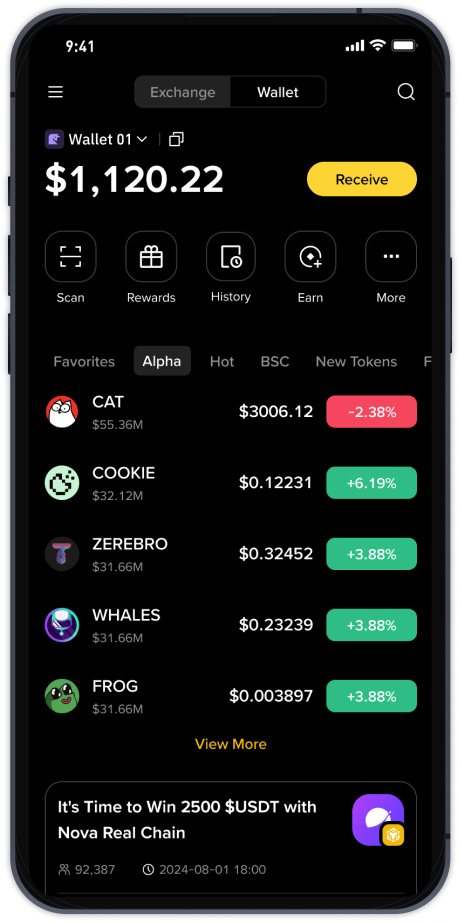
Another critical aspect is the use of Binance’s mobile app. The app is unlikely to be renamed immediately, but you should update it regularly from the official App Store or Google Play. If the exchange rebrands after a sale, you will need to download the new application. Avoid third-party app stores, as they may host fake versions of the exchange designed to steal your login credentials.
Finally, consider your long-term strategy. If you are concerned about the stability of Binance after a potential sale, you can begin diversifying your holdings across multiple exchanges, such as Kraken, Coinbase, or Bybit. This reduces your risk exposure. However, don't panic sell or make impulsive moves based on rumors. Wait for official confirmations from Binance’s blog or verified social media channels. The exchange has survived leadership changes before, and its deep liquidity and user base make it a resilient platform.
In summary, using Binance after a potential sale by Zhao Changpeng is not fundamentally different from using it today. The key steps are: enable strong security, monitor official announcements, adjust your risk management, and keep your funds diversified. By staying informed and cautious, you can continue trading on Binance with confidence, regardless of who owns the company. Remember, in the crypto world, your private keys and personal security measures are always your best defense.